
Introduction
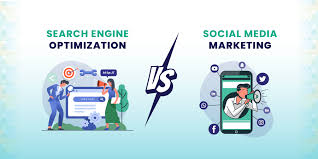
In the fast-changing world of digital marketing, businesses constantly ask one question: “What drives better results SEO or social media?” Both channels are powerful, but they work differently and deliver different types of outcomes. To make the right choice, you need to understand how each platform contributes to traffic, visibility, engagement, and long-term business growth. This article breaks down the strengths of SEO vs Social Media, compares their ROI, and helps you decide which platform is the best for your business in 2025.
What Is SEO and Why It Matters in 2025?
Search Engine Optimization (SEO) is the process of improving your website to rank higher in search engine results. When people search for something on Google, SEO helps your website appear on the first page where 90% of clicks happen.
Why SEO Is Important Today
- High Intent Traffic
Users searching on Google know exactly what they want. This means they are more likely to convert. - Long-Term Stable Results
Once you rank, you can get consistent organic traffic without paying for ads every day. - Better Brand Authority
Websites that appear on page 1 of Google automatically gain trust. - More Cost-Effective Over Time
SEO may take effort in the beginning, but the long-term ROI is one of the highest among all digital channels.
What SEO Helps You Achieve
- Higher search rankings
- More organic clicks
- Stronger website credibility
- Consistent long-term traffic
- Improved user experience
What Is Social Media Marketing (SMM)?
Social media marketing uses platforms like Instagram, Facebook, LinkedIn, YouTube, and TikTok to promote your brand, connect with your audience, and generate engagement.
Why Social Media Is Powerful Today
- Boosts Brand Awareness Quickly
Social media helps you reach thousands of users in minutes. - Better Engagement & Interaction
Likes, comments, and shares help build a strong community. - Excellent for Visual Branding
Creative photos, videos, and reels increase visibility. - Faster Results Than SEO
With the right strategy or viral content, you can grow quickly.
What Social Media Helps You Achieve
- Instant visibility
- Strong engagement
- Brand perception building
- Faster reach
- Direct audience communication
SEO vs Social Media — Key Differences
Although both SEO and social media help with online visibility, the results they deliver are different.
1. Traffic Source & Intent
- SEO provides high-intent traffic — users searching for solutions.
- Social media brings low-intent traffic — people browsing casually.
2. Time to See Results
- SEO: Slow but long-lasting.
- Social Media: Fast but short-lived.
3. ROI Comparison
- SEO ROI improves over time and becomes cheaper as you grow.
- Social media ROI depends on consistent posting, paid promotions, and trends.
4. Brand Authority
- SEO builds trust through search rankings.
- Social media builds emotional connection through content.
5. Longevity of Results
- SEO results stay for months or years.
- Social media results last hours or days.
Pros and Cons of SEO
Advantages of SEO
- Long-term organic traffic
- Higher quality leads
- Builds authority
- Cost-effective over time
- Works 24/7
Disadvantages of SEO
- Slow results (3–6 months)
- Requires technical knowledge
- Highly competitive
- Needs consistent content
Pros and Cons of Social Media
Advantages of Social Media
- Instant visibility
- Viral growth potential
- Better customer engagement
- Great for visual branding
- Works well for product-based businesses
Disadvantages of Social Media
- Short content lifespan
- Requires daily posting
- Platform algorithm changes
- Lower conversion intent
H2: SEO vs Social Media — Which Drives Better Results?
The answer depends on your goals.
Choose SEO if:
- You want long-term, stable traffic
- You want leads and conversions
- You want to build trust and authority
- You want to reduce ad spending
Choose Social Media if:
- You want fast brand visibility
- You want to engage with your audience
- Your business depends on visuals (fashion, fitness, food, beauty)
- You want to build a personal brand
Why Most Successful Businesses Use Both
The strongest marketing strategy in 2025 is combining SEO + social media.
Here’s why:
- Social media builds awareness quickly
- SEO converts that audience into long-term traffic
- Social media boosts brand recall
- SEO builds trust and credibility
- Both together increase visibility 10X
Social media attracts the audience.
SEO converts the audience.
That’s the winning formula.
For further reading, check out these helpful resources:
- Learn more about SEO directly from Google Search Central.
- Explore advanced SEO concepts on Moz’s Beginner Guide.
- Understand social media trends with Sprout Social’s latest report.
Conclusion
Choosing between SEO and social media depends on your business goals, timeline, and target audience. SEO is the best option if you want long-term visibility, high-intent traffic, and sustainable growth. It helps you build authority, rank organically, and generate leads consistently over time. On the other hand, social media is the clear winner if your priority is fast reach, brand awareness, and audience engagement. It allows you to connect with customers in real time, create viral content, and build trust through storytelling. But in 2025, the most successful brands are the ones that combine both SEO and social media together. SEO brings search visibility, while social media amplifies reach creating a perfect balance of long-term traffic and immediate engagement. To achieve the best results, use social media to attract your audience and SEO to convert them. That’s the strategy that drives powerful, sustainable growth today.
Mistakes to Avoid in 2025
1. Ignoring AI-Driven Optimization
In 2025, AI tools guide content, targeting, and customer behavior. Brands that don’t use AI for content creation, keyword research, automation, and analytics fall behind quickly.
Avoid: Relying only on manual processes.
2. Posting Content Without a Strategy
Random content = low reach.
Platforms reward consistency, niche focus, and strategic posting.
Avoid: Posting without a content calendar, keyword plan, or target audience.
3. Overlooking Mobile Experience
More than 70% of users view content on mobile.
Slow websites, poor layouts, or unreadable text lead to high bounce rates.
Avoid: Desktop-first design or slow mobile performance.
4. Not Using Data to Make Decisions
2025 is all about data-driven growth.
Ignoring analytics results in wasted time, low conversions, and poor results.
Avoid: Guessing what to post, when to post, or who to target.
5. Relying Only on One Marketing Channel
Only SEO, only Instagram, or only ads = risk.
If one platform drops your reach, your entire business suffers.
Avoid: Single-channel dependency.
FAQs
1. Which is better for business growth — SEO or social media?
Both are important. SEO gives long-term traffic and leads, while social media provides fast brand awareness and engagement. The best results come from using both together.
2. Does SEO give faster results than social media?
No. SEO takes time (3–6 months). Social media delivers quicker visibility but the results fade quickly. SEO gives stronger long-term benefits.
3. Can social media improve my SEO rankings?
Indirectly, yes. Social media doesn’t directly affect rankings, but it increases brand awareness, website visits, and content shares — all of which support SEO performance.
4. Which platform gives higher ROI — SEO or social media?
SEO generally provides higher ROI over time because traffic becomes free once you rank. Social media ROI depends on content consistency and paid promotions.
5. Should small businesses focus more on SEO or social media?
Small businesses should start with social media for fast awareness and use SEO to build long-term visibility. A balanced strategy works best in 2025.